If you are searching for alcohol rehab in Central Oregon, there is a good chance you are tired, worried, or both. Maybe the drinking has crept up over the years. Maybe a DUII, a hard conversation with a spouse, or a scary morning finally made it impossible to look away. Whatever brought you here, asking the question is a real step, and you do not have to have it all figured out to take the next one.
This guide walks through what outpatient treatment for alcohol use disorder (AUD) actually involves, how to tell whether it fits your situation, when you need medical care first, and what the process looks like at Rock Recovery in Redmond. We have kept it plain and practical, because the right information makes the first phone call a lot less intimidating.
What Alcohol Use Disorder Actually Is
Alcohol use disorder is a medical condition, not a character flaw. According to the National Institute on Alcohol Abuse and Alcoholism (NIAAA), 27.1 million adults in the United States (10.3 percent) had AUD in the past year, based on the 2024 National Survey on Drug Use and Health. If you are struggling, you are far from alone.
Clinicians diagnose AUD using 11 criteria, and severity depends on how many apply: two to three is mild, four to five is moderate, and six or more is severe. The criteria include:
- Drinking more than planned. You regularly end up drinking more, or for longer, than you meant to.
- Failed attempts to cut back. You have tried to slow down or stop and could not stick with it.
- Continuing despite consequences. Drinking continues even when it strains relationships, work, or your health.
- Tolerance. It takes more alcohol than it used to for the same effect.
- Withdrawal. You feel shaky, anxious, sweaty, or sick when the alcohol wears off.
You do not need to meet every criterion, or hit a particular "bottom," for treatment to make sense. Many people reach out at the mild or moderate stage, and earlier help is generally easier. If you are not sure where you fall, our guide to early intervention and signs it is time to get support is a good place to start.
Alcohol in Oregon: Why This Matters Here
Oregon has a complicated relationship with alcohol. Oregon Health Authority figures reported by OPB indicate that about six Oregonians die every day from alcohol-related causes, most from the long-term effects of drinking such as liver disease, heart disease, and cancer, and that Oregon's alcohol-induced death rate runs above the national average. The same reporting describes a treatment system that researchers say is roughly half the size it needs to be.
That context is not meant to scare you. It is a reminder that alcohol problems are common, that they are often quiet, and that getting into care can take effort. In Central Oregon, where long winters, rural distances, tourism and brewery culture, and seasonal work can all shape how and when people drink, a local team that understands daily life here matters.
What Outpatient Treatment for Alcohol Use Disorder Looks Like
NIAAA notes that most people who get treatment for AUD start with outpatient counseling, either in a program or in one-on-one sessions. Rock Recovery is an Oregon Health Authority-licensed outpatient addiction treatment provider (Certificate of Approval #001776), and our substance use disorder services are delivered at ASAM Level 1, the American Society of Addiction Medicine designation for outpatient care.
In practice, that usually includes:
- A thorough assessment. We start by listening: your drinking history, health, goals, and what is going on in the rest of your life. The assessment shapes everything that follows. If you would like to know what that first visit feels like, read what to expect at your first outpatient appointment.
- An individualized plan. There is no single template. Your plan reflects how much and how often you drink, your work and family situation, and any other conditions in the picture.
- Group and individual counseling. Groups let you learn from people who understand, and individual sessions give space for the things that are harder to say out loud.
- Evidence-based skills. Approaches like cognitive behavioral therapy and motivational interviewing help you spot triggers, handle cravings, and build the confidence to change.
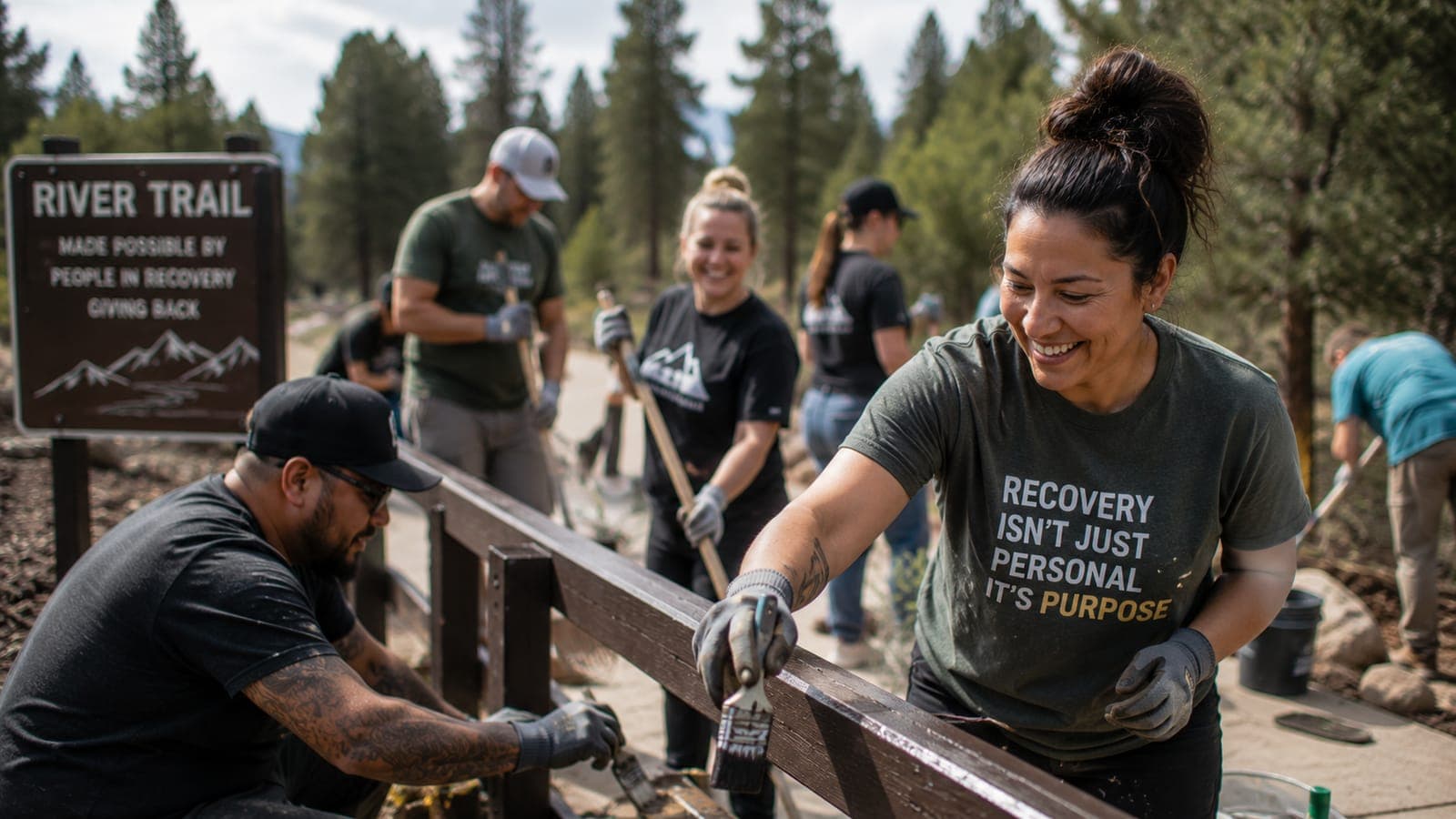
- Peer support. Our certified recovery mentors have walked this road themselves. Our leadership, Shawn and Eugene Reece, are both in recovery, and many of our staff have lived recovery experience.
- A plan for staying well. Treatment does not end with the last session. We build in relapse prevention and aftercare from the beginning.
Do You Need Medical Care Before Starting?
This is the most important safety question in the whole process, so we want to be direct about it. Alcohol withdrawal can be dangerous. MedlinePlus explains that symptoms usually begin within eight hours of the last drink and tend to peak between 24 and 72 hours, and that severe withdrawal can involve seizures, hallucinations, and delirium tremens, which can be life-threatening.
If you drink heavily and daily, or you have had withdrawal symptoms or seizures before, please do not stop suddenly on your own. Talk with a medical provider first, because you may need supervised care. Rock Recovery provides outpatient treatment and does not offer detox or residential care, so when medical withdrawal management is needed, our role is to help you get connected to the right setting and then pick up your treatment on the other side. Go to the emergency room or call 911 for seizures, severe confusion, hallucinations, or a very fast or irregular heartbeat.
Medications and Alcohol Use Disorder
Counseling is not the only tool. NIAAA lists three FDA-approved medications for AUD: naltrexone, acamprosate, and disulfiram. Naltrexone works on the brain's reward pathways to reduce cravings and the pull of drinking. Acamprosate helps ease some of the discomfort that lingers in early abstinence. Disulfiram causes unpleasant symptoms such as nausea and flushing if you drink.
These medications are prescribed by medical providers, and whether one fits you depends on your health history and goals. Many people find it helpful to bring the question to their care team early. If medication might help, our team can coordinate with your prescriber so that counseling and medical care work together rather than in separate silos.
When Anxiety, Depression, or Trauma Are Part of the Picture
Drinking and mental health symptoms often feed each other. NIAAA reports that among people with major depressive disorder, lifetime co-occurrence of AUD ranges from 27 to 40 percent, and that AUD prevalence among people treated for anxiety disorders ranges from 20 to 40 percent. The same resource is clear on why this matters for treatment: the likelihood of recovery from both conditions is higher when both are treated, and integrated care tends to produce better results than fragmented approaches.
If you have been using alcohol to quiet worry, sleep, or push down painful memories, you are not weak, and you are not the only one. That pattern is called self-medication, and it is one of the most common reasons drinking gets harder to stop. Within SUD treatment, Rock Recovery supports co-occurring concerns as part of one coordinated plan. For more on this, see anxiety and alcohol use in Central Oregon. If you also want standalone counseling for mental health that is separate from substance use, Reece Counseling is Rock Recovery's sister mental health practice, and we can help coordinate a referral.
Can You Keep Working and Stay With Your Family?
For many people, this is the question that decides whether they call. Outpatient care is built around real life. Sessions are scheduled so you can keep going to work, taking care of your kids, and showing up for your commitments, while getting steady support alongside. We cover this in more depth in can you keep your job in outpatient treatment.
If cost is a worry, Rock Recovery accepts Oregon Health Plan (OHP), Medicare, and most private insurance. Our post on whether the Oregon Health Plan covers addiction treatment explains how coverage works.
Is Outpatient the Right Level of Care?
Outpatient treatment works well for many people, but it is not right for everyone, and a good provider will tell you so. It tends to fit when you have a safe, stable place to live, you can get to appointments, you are not at risk of dangerous withdrawal, and you have some support around you. If your situation needs more intensive or medically supervised care, we will say so and help you find it. Part of the assessment is making sure the level of care matches what you need.
How to Choose a Treatment Provider
NIAAA suggests looking for five things in a provider: credentials, a comprehensive assessment, a customized treatment plan, evidence-based treatments, and continuing recovery support. These are good questions to ask any program, including ours.
- Licensing. Ask whether the program is licensed by the state. Rock Recovery's Oregon Health Authority Certificate of Approval number is 001776.
- Assessment first. A program that prescribes a plan before it asks about you is a red flag.
- Lived experience. People who have been through recovery themselves bring understanding that training alone cannot.
- Coordination. Ask what happens when something else comes up, like mental health, legal requirements, or medication.
- Aftercare. Ask what support looks like after the formal program ends.
Frequently Asked Questions
How do I know if I need alcohol rehab or just need to cut back?
If you have tried to cut back and could not, if drinking is causing problems at work, home, or with your health, or if you feel withdrawal when you stop, an assessment is worth doing. An assessment is not a commitment. It simply gives you clear information about where you stand and what options fit.
Is outpatient alcohol treatment effective?
Evidence-based behavioral treatments, mutual-support groups, and medications can all help people with AUD reach and maintain recovery, according to NIAAA. Setbacks are common, and they do not mean treatment failed. They are a signal to adjust the plan, which is why continuing support matters.
Do I have to quit drinking completely before I call?
No. You do not need to be sober to ask for help. If you drink heavily every day, talk with a medical provider about safe ways to stop before making a sudden change, then reach out to us so treatment can begin or continue from there.
Does Rock Recovery offer detox or residential rehab?
No. Rock Recovery provides outpatient substance use disorder treatment and early intervention. If you need medical withdrawal management or a more intensive setting, we will help you get connected and then support you as you continue treatment.
Can treatment be part of a DUII requirement?
Yes. Rock Recovery provides DUII education and treatment, as well as services coordinated with the courts and probation. Our guide to what happens after a DUII in Deschutes County walks through the process.
What if I am not comfortable with a faith-based program?
You will not be asked to take part in anything that is not for you. Our faith-based track, Redeemed Recovery, combines Christian discipleship with clinical care and is entirely voluntary.
One Plan. One Team. The Whole Way Through.
You do not have to sort out alcohol treatment, medical questions, mental health, work, and family one disconnected appointment at a time. At Rock Recovery, one team stays with you from your first assessment through aftercare, coordinating the pieces so you are not left to figure out the next step alone. We will meet you where you are, today, however much or little you have figured out.
Ready to talk about alcohol treatment in Central Oregon? Contact Rock Recovery or call our Redmond office to schedule a confidential assessment. One conversation is all it takes to get started.