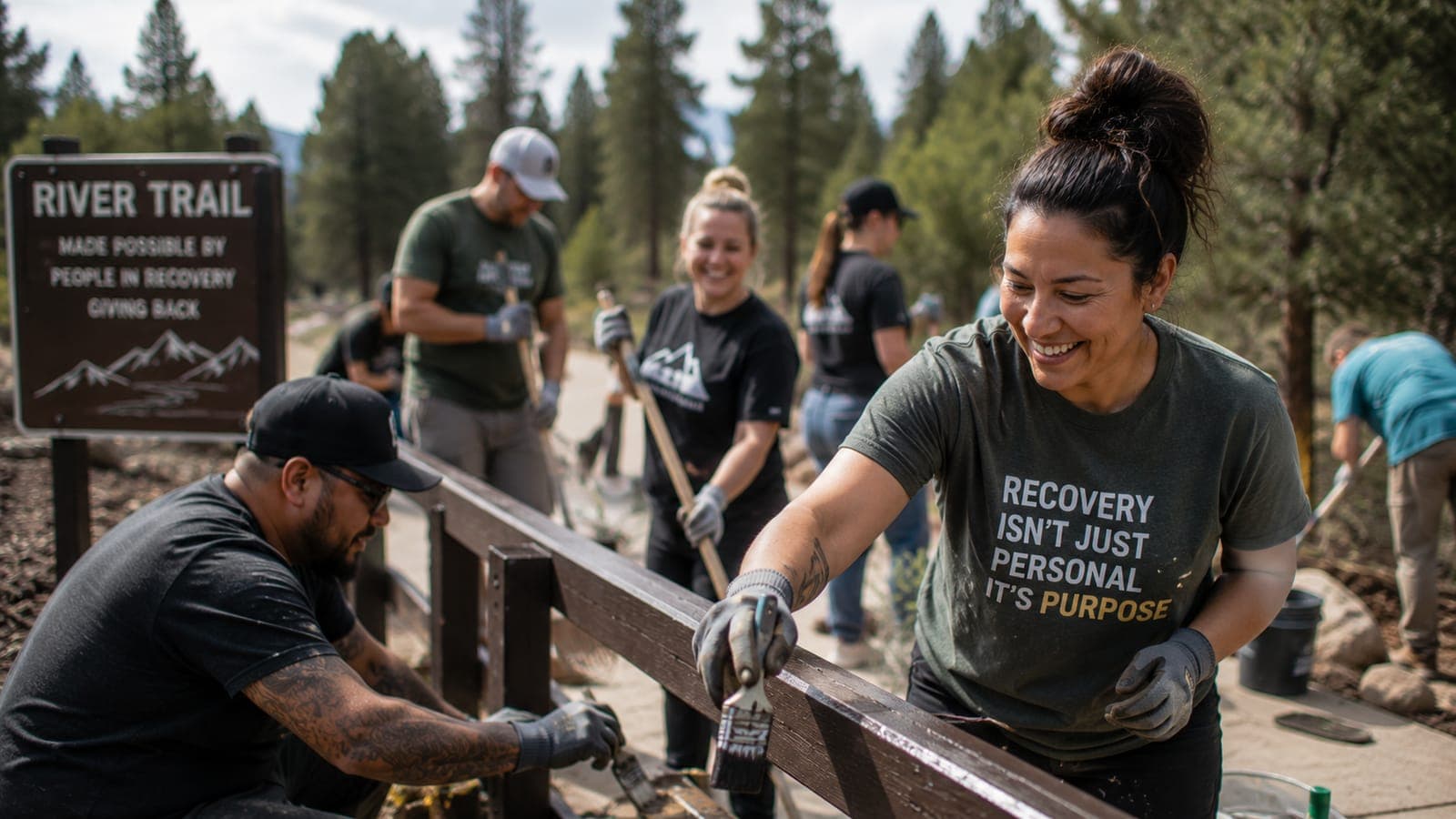
Most relapse prevention advice is written for a life that doesn't quite match the one you're living in Bend, Redmond, Prineville, Madras, or Sisters. It assumes a support meeting is fifteen minutes away, that your job doesn't revolve around a bar or a lift line, and that winter is just weather instead of a season that can quietly reshape your routine, your mood, and your access to the people who keep you steady. If you're building a relapse prevention plan for life in Central Oregon, it needs to account for the actual geography and rhythm of this place, not a generic template.
This guide walks through what makes relapse prevention different here, what a strong plan actually includes, and how Rock Recovery folds relapse prevention into ongoing outpatient care rather than treating it as a one-time handout at discharge.
Relapse Is Common, and It Doesn't Mean Treatment Failed
One of the most important things to understand about relapse is also the most misunderstood: it's common, and it doesn't erase the progress that came before it. According to the National Institute on Drug Abuse, relapse rates for substance use disorders fall between 40 and 60 percent, a range comparable to relapse rates for other chronic illnesses like hypertension and asthma, which also hover between 50 and 70 percent. Addiction is treated as a chronic condition in modern medicine precisely because it behaves like one: it responds to treatment, but it can also flare back up, and that flare-up calls for an adjustment to the plan, not a verdict on the person.
Research summarized by the Hazelden Betty Ford Foundation adds an important nuance for planning purposes: relapse risk isn't evenly distributed across substances or across time. Opioid and alcohol relapse rates run especially high in the first year after treatment, which is exactly when a person's routines, relationships, and environment are still being rebuilt. That first year is where a specific, written plan earns its keep.
What Makes Relapse Prevention Different in Rural Central Oregon
Deschutes, Crook, and Jefferson counties cover a lot of ground, and that geography matters more than most relapse prevention worksheets acknowledge. The Rural Health Information Hub notes that 82 percent of rural residents live in counties without any detox services, and that greater distance to treatment is directly linked to lower program completion, largely because rural areas also tend to lack the public transportation that would make up the difference. If you've lost your license after a DUII, or you're weighing whether an hour-plus round trip to a meeting is realistic on a Tuesday night after a full shift, that's not a personal failing. It's a structural gap that a good relapse prevention plan has to plan around, not ignore.
For someone in Prineville or Madras, "just go to a meeting" can mean a 30-to-45-minute drive each way. For someone in Sisters or La Pine, winter road conditions can turn that into a genuine barrier for weeks at a time. A relapse prevention plan built for Central Oregon has to build in options that don't depend on a short, easy drive, because sometimes there isn't one.
Seasonal Triggers: Tourism, Ski Season, and Winter Isolation
Central Oregon's economy runs on tourism and outdoor recreation, and a lot of the jobs that keep this region running, including restaurant and bar work, ski resort and hospitality positions, and brewery and event staffing, are built around a culture where alcohol is constantly present and late nights are the norm. If your income depends on a job like this, "avoid people, places, and things" isn't abstract advice. It's a conversation you may need to have with your employer, your shift schedule, or your coworkers about how you're going to do this job differently now.
Winter brings its own version of the same problem. Shorter days, holiday gatherings that often center on drinking, and roads that can cut off easy access to your support network all show up at once. Isolation is one of the most consistently cited relapse warning signs, and in a Central Oregon winter, isolation can happen without anyone deciding to isolate. It can just be what a snowed-in week looks like if you don't have a plan that anticipates it.
The Core Elements of a Personalized Relapse Prevention Plan
A relapse prevention plan isn't a pamphlet you read once. It's a specific, written document you build with your treatment team and revisit as your life changes. The strongest ones tend to include the following pieces:
- Your personal trigger list. Name the specific people, places, emotions, and situations that put you at higher risk, not generic categories, but the actual bar you used to close shifts at, the specific relative whose visits are hard, the particular stretch of a workday when cravings tend to spike.
- A tiered support network. Because a single sponsor or single meeting isn't always reachable in a spread-out region, list several layers of support: a counselor, a certified recovery mentor, a peer, a family member, and a crisis line, so you always have a next call to make.
- A transportation backup plan. Decide in advance how you'll get to care if your usual ride or route falls through, including whether telehealth appointments are an option for weeks when the drive isn't safe or realistic.
- A coping skills toolkit. Write down two or three concrete things that actually work for you in the first five minutes of a craving or a hard emotion, not a vague intention to "use healthy coping skills," but the specific action you'll actually take.
- A seasonal and work-schedule review. Revisit your plan when tourist season ramps up, when ski season starts, and when the holidays approach, since these are predictable windows of higher risk in this region specifically.
- A lapse response plan. Decide now, while you're thinking clearly, exactly what you'll do in the first hour if a slip happens: who you'll call, what you won't do, and how you'll get back to your team quickly instead of letting shame keep you away.
None of this works as a plan you write alone in a single sitting. It works because it's built with people who know both the clinical side of relapse risk and the practical reality of living in Redmond, Bend, or the surrounding communities.
How Rock Recovery Builds Relapse Prevention Into Ongoing Care
Rock Recovery is licensed by the Oregon Health Authority under Certificate of Approval #001776, and our outpatient substance use disorder treatment is delivered at ASAM Level 1, the level of care designed for people who are stable enough to live at home and keep working while getting consistent, structured support. Relapse prevention planning is part of that structure from the start, not something added on after a setback.
Because Rock Recovery treats substance use and mental health under one plan, one team, the whole way through, your relapse prevention plan doesn't live in a separate binder from your mental health care. If anxiety, depression, grief, or an unresolved trauma is quietly feeding your relapse risk, the same clinical team addresses that directly instead of referring you somewhere else and hoping the pieces line up. Many of our staff, including our founders, are in recovery themselves, and our certified recovery mentors bring lived experience with exactly the kind of rural, seasonal, small-town dynamics this article describes. If you're rebuilding trust with family while you rebuild your own footing, we also work directly with loved ones supporting someone in early recovery, because relapse prevention tends to go further when the people around you understand the plan too.
If you're not sure what the first step even looks like, our guide to what to expect at your first outpatient appointment walks through the process, and our overview of Oregon Health Plan coverage for addiction treatment covers what's paid for and how to check your benefits. If you're already in care and thinking through what comes next, our post on continuing your treatment or DUII requirement is a useful next read.
Frequently Asked Questions
What exactly is a relapse prevention plan?
A relapse prevention plan is a specific, written document that names your personal risk factors, lists the people and resources you'll turn to under pressure, and lays out exactly what you'll do if a craving spikes or a lapse happens. It's built with your treatment team and updated as your life and circumstances change.
Does relapsing mean my treatment didn't work?
No. Relapse rates for substance use disorders run between 40 and 60 percent, similar to other chronic conditions like hypertension and asthma. A relapse is information about what needs to be adjusted in your plan, not proof that treatment failed.
I live in Prineville or Madras. Can I still get consistent relapse prevention support without moving to Bend or Redmond?
Yes. Rural distance is a real barrier, which is exactly why a Central Oregon relapse prevention plan should include telehealth options, a tiered support network, and a transportation backup plan from the start, rather than assuming daily in-person access.
What should I do in the first hour if I think I'm about to relapse, or already have?
Reach out immediately to your counselor, recovery mentor, or another name on your support list rather than waiting until you feel ready to talk. The sooner you reconnect with your team, the easier it is to adjust your plan and get back on track.
How does seasonal work in Central Oregon factor into a relapse prevention plan?
Tourism, ski resort, and hospitality jobs common in this region often involve late nights and constant alcohol availability. A strong plan addresses this directly, reviewing your triggers and support access before ski season, tourist season, and the holidays, rather than treating it as a side issue.
Does Rock Recovery accept Oregon Health Plan or private insurance for ongoing relapse prevention care?
Yes. Rock Recovery accepts Oregon Health Plan (OHP), Medicare, and most private insurance. Relapse prevention planning is included as part of ongoing outpatient care, not billed as a separate add-on.
Build Your Plan With a Team That Knows This Region
A relapse prevention plan is only as strong as its fit with your actual life: your job, your drive time, your season, your support system. Rock Recovery coordinates your mental health and substance use care under one plan and one team, the whole way through, so your relapse prevention plan isn't a document you're handed once but a living part of ongoing, connected care. If you're in early recovery, supporting someone who is, or wondering whether now is the time to put a real plan in place, reach out to Rock Recovery today by phone or through our contact form to talk with someone who understands both the clinical side and what it actually takes to stay steady in Central Oregon.