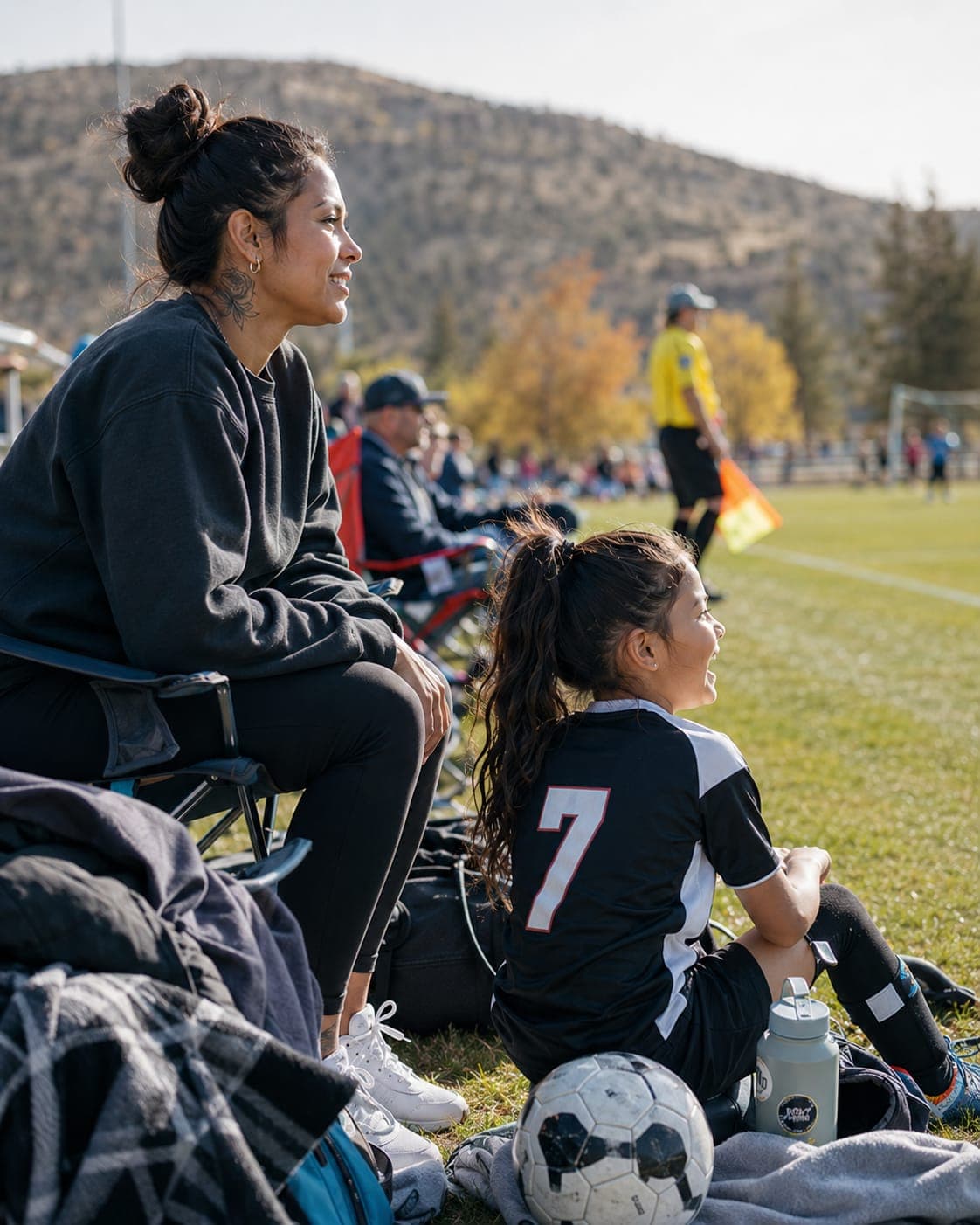
If your blended family feels harder than anyone warned you it would be, you're not doing it wrong, and you're far from alone. Recent research from Pew Research Center found that 17% of U.S. children under 18 now live in a blended family, defined as a household that includes a stepparent, stepsiblings, or half-siblings. In Central Oregon, that means classrooms, soccer teams, and dinner tables across Bend, Redmond, Prineville, Madras, and Sisters are full of families quietly working through the same loyalty conflicts, discipline disagreements, and "who's really in charge here" tension that yours might be facing.
Here's the part almost no one tells new stepfamilies going in: this is supposed to be hard for a while. Blended family counseling isn't about fixing something broken. It's about giving your family a realistic map for a transition that research shows takes real time, plus practical tools to make that transition steadier and less lonely. This guide walks through what actually causes blended family strain, what counseling for stepfamilies looks like, and how to find support in Central Oregon.
Why Blended Families Struggle More Than People Expect
Blended families aren't a rare arrangement anymore, but they're still widely misunderstood, including by the families living them. According to the National Council on Family Relations, roughly 42% of Americans have a close stepfamily relationship of some kind, yet most helping professionals, including teachers, pediatricians, and many general therapists, receive little to no specific training in the unique dynamics stepfamilies face. That gap matters, because a blended family isn't a first family with an extra person added. It runs on different rules entirely.
A first-time family builds its bonds, its routines, and its sense of "us" gradually, from birth, before anyone is old enough to resist it. A blended family is asked to build all of that at once, often while children are simultaneously grieving a previous family structure, adjusting to a new home or school, and being told to love or obey someone they didn't choose. Add a co-parenting relationship with an ex, a custody schedule, financial blending, and differing parenting philosophies, and it becomes clear why even loving, capable adults find themselves stuck.
Clinical researchers who study stepfamilies specifically, including family therapist Ron Deal, whose clinical training materials note that stepfamily marriages face meaningfully higher rates of dissolution than first marriages and that the first few years of remarriage carry roughly twice the stress load of a first-family household, have found a consistent pattern: families that get explicit information about what's normal, and a structured way to work through it, do measurably better than families left to figure it out alone.
The Timeline Nobody Mentions: Integration Takes Years, Not Months
One of the most useful and most under-shared findings in stepfamily research is about time. Family therapy researchers, including psychologist Patricia Papernow and family therapist James Bray, have independently studied how long it actually takes for a blended family to feel like a cohesive unit, meaning for trust and closeness to start feeling normal rather than effortful. The number that keeps showing up across this research is four to seven years, sometimes longer for families blending older children or larger sibling groups.
That's not a discouraging statistic. It's a relieving one. Parents and stepparents often quietly assume that if their family doesn't feel bonded within the first year, something has gone wrong. Knowing that a multi-year adjustment is the norm, not the exception, takes an enormous amount of pressure off, and it's exactly the kind of psychoeducation that family therapy research shows produces real, immediate relief for stressed households.
Common Blended Family Struggles Central Oregon Families Bring to Counseling
Every stepfamily is different, but certain patterns show up again and again in family counseling, regardless of whether the family is a year into blending or five years in.
- The stepparent role confusion. Stepparents often feel caught between wanting to parent and having no authority to, while biological parents feel caught between their kids and their new spouse.
- A child who won't accept the stepparent. This is one of the most common and most misunderstood issues; it usually reflects loyalty conflict or grief, not a personal rejection of the new adult in the home.
- Uneven bonds among stepsiblings. Kids blended together at different ages and stages rarely bond at the same pace, which can look like favoritism even when it isn't.
- Co-parenting friction with an ex. Custody schedules, differing household rules, and communication breakdowns with a former partner can spill directly into the new household's stability.
- Disagreements over discipline. Parenting philosophies that never had to be reconciled before suddenly need to align, often under real-time pressure.
- Financial blending stress. Merging households, child support obligations, and differing money habits add a layer of tension that's rarely discussed openly.
- The "instant family" myth. Holiday specials and well-meaning relatives set an expectation of instant love and harmony that sets real families up to feel like they're failing by comparison.
What Blended Family Counseling Actually Looks Like
Effective stepfamily counseling doesn't look like traditional family therapy, and a therapist who treats it that way can accidentally make things worse, for example by putting a resistant stepchild and a new stepparent in a room together before either one is ready. Clinical guidance for working with stepfamilies typically recommends a more layered approach:
- Starting with the couple. The remarried or repartnered couple usually meets first, to get aligned on parenting approach, boundaries, and expectations before bringing children into sessions.
- Working with biological parent-child pairs. Because a biological parent's relationship with their own child predates the blended family, that bond often needs direct attention and repair time before a stepparent is added to the mix.
- Bringing in the stepparent gradually. Stepparent-stepchild relationships tend to build faster and more durably when they're allowed to develop through low-pressure, shared activities rather than forced closeness.
- Normalizing the process for everyone. A therapist familiar with stepfamily research will spend real time simply explaining what's typical, which, as the research above shows, is often where families get their first sense of relief.
- Building a shared family plan. Sessions usually work toward a concrete, written-out understanding of house rules, discipline roles, and how disagreements between the adults get handled away from the kids.
If parent-teen conflict specifically is a major piece of what's going on in your house, it's worth reading our related guide on family therapy for parent-teen conflict, which digs deeper into rebuilding trust with adolescents.
Signs It Might Be Time to Bring In Outside Support
Plenty of blended family friction is simply part of the process. But there are signs that point toward getting a therapist involved sooner rather than later:
- Conflict is escalating, not settling. If tension between household members is getting worse over months rather than gradually easing, the family's current coping approach isn't working on its own.
- A child is withdrawing or acting out. Sudden changes in mood, grades, sleep, or behavior are often a child's way of expressing distress they don't have words for yet.
- The couple is fighting primarily about parenting. When most disagreements between partners trace back to the kids or an ex, it's a strong sign the family needs a shared framework, not just more conversation.
- One adult feels completely shut out. A stepparent who feels like a permanent outsider in their own home is at real risk of resentment building unchecked.
- Old family loyalty feels like it's competing with the new one. Children caught feeling like loving a stepparent is a betrayal of a biological parent need direct, skilled support to work through that bind.
How Rock Recovery Approaches Blended Family Counseling in Central Oregon
Rock Recovery (operating as Reece Counseling Inc.) is an Oregon Health Authority-licensed outpatient counseling provider (Certificate of Approval #001776) based in Redmond, serving individuals and families throughout Central Oregon, including Bend, Redmond, Prineville, Madras, and Sisters. Our approach to family counseling reflects the same philosophy behind everything we do: one plan, one team, the whole way through.
That means when a family comes to us because a blended household is under strain, we don't hand pieces of the work off to different disconnected providers. You're matched with a licensed therapist who understands stepfamily dynamics specifically, and your care is coordinated as a whole family picture rather than a series of separate referrals. And because our team also has deep experience in substance use treatment, if it turns out that stress, grief, or conflict in the blended family is tangled up with a parent's or teen's substance use, the same team can address that too, without starting over with a new provider or re-explaining your family's story from scratch.
We meet families where they are, without judgment about how messy the transition has felt. Many of our own staff have lived experience with the kinds of family transitions that bring people through our doors, and every plan of care is built around your specific household, not a generic template.
Frequently Asked Questions
How long does it typically take for a blended family to feel "normal"?
Research on stepfamily integration consistently points to a timeline of four to seven years for a blended family to develop the kind of trust and closeness that feels effortless, with more complex family structures sometimes taking longer. Counseling doesn't shortcut that process, but it makes the years in between far less painful and confusing.
Do all the kids need to come to every session?
No. Effective blended family counseling usually starts with the couple, then works with specific parent-child pairs before bringing the whole household together. A therapist experienced with stepfamilies will build a session plan around what your particular family needs, not a one-size-fits-all format.
My stepchild won't accept me. Is that normal, and does it get better?
It's extremely common, and it's rarely a personal rejection. It often reflects grief over a previous family structure or a sense of loyalty conflict with a biological parent. With time, low-pressure connection-building, and sometimes direct therapeutic support, most stepparent-stepchild relationships do improve significantly.
What if my partner and I get along fine, but our kids are struggling with each other?
Blended family counseling isn't only for couples in conflict. Sibling and stepsibling dynamics are one of the most common reasons families reach out, and therapy can help kids at different ages and stages build a working relationship even when the adults are already solid.
Does insurance cover family counseling in Oregon?
Rock Recovery accepts the Oregon Health Plan (OHP), Medicare, and most private insurance for counseling services. Coverage details vary by plan, and our team can help verify your specific benefits before your first appointment. If you have questions about how to choose the right therapist for your situation, our guide on how to choose a therapist in Central Oregon walks through what to ask.
What if substance use is also part of what's going on in our family?
That's more common than people expect, especially during high-stress transitions like blending a family. Because Rock Recovery provides both mental health counseling and substance use treatment under one team, we can address both without requiring a separate referral or a new provider relationship.
You Don't Have to Figure This Out Alone
Blended family life can be genuinely rewarding, but almost no family gets there without some rocky stretches along the way. If your household in Bend, Redmond, Prineville, Madras, or Sisters is working through stepparent tension, sibling friction, or a child who's struggling to adjust, a therapist who understands stepfamily dynamics can help you build a steadier path forward.
Rock Recovery offers one plan, one team, the whole way through, for your family's mental health needs and, if it's relevant, for substance use concerns too, all under the same coordinated care. If you also value having a Christian discipleship option alongside clinical care, ask about our voluntary Redeemed Recovery track. And if a strained partnership is part of the picture, our guide to couples counseling in Central Oregon may be a helpful next read. When you're ready, reach out to schedule an assessment and get matched with a therapist who can help your family find its footing.