Someone who's walked this road
Our recovery mentors aren't just trained for this work, they've lived it. Certified peers in Redmond who walk beside you between counseling sessions and long after formal treatment ends.
A different kind of support
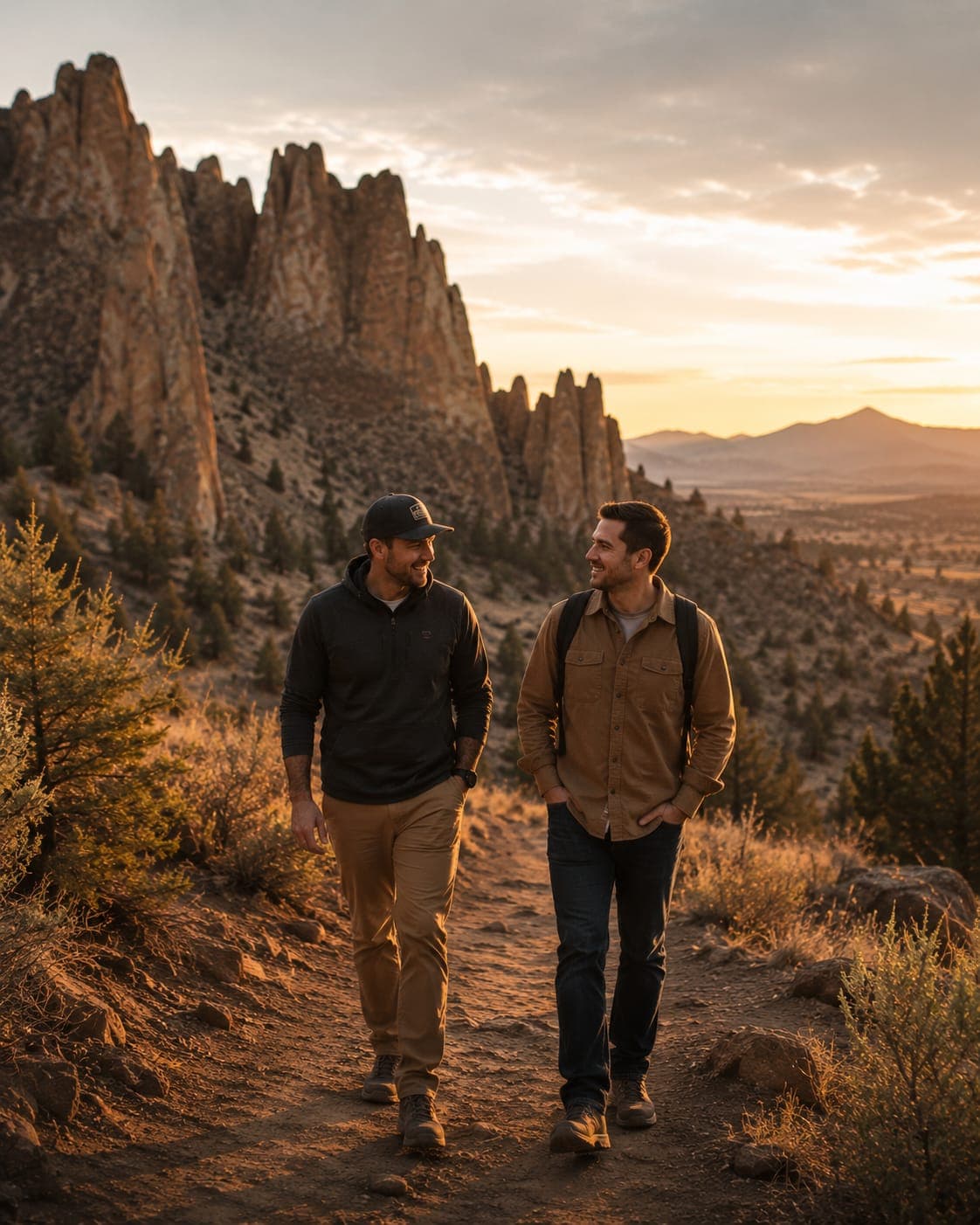
A recovery mentor is a certified peer, someone who has been through addiction and come out the other side, and who now walks that road with others. They're not clinicians, and that's the point. Where a counselor brings clinical training, a mentor brings something no classroom can teach: they remember exactly what week two feels like.
Our team holds recognized peer credentials, including the CRM II, Certified Recovery Mentor, held by mentors like Lindsay Hathaway. Peer support doesn't replace counseling; it complements it, filling the everyday spaces where recovery is won or lost.
What peer support looks like
No two recoveries look alike, so no two mentorships do either. But most of the work falls into a few simple, human things.
A steady check-in between sessions
Counseling happens once or twice a week. Life happens every day. Your mentor is the person who checks in during the in-between, the stretch where recovery is actually lived.
Help navigating early recovery
The first months are full of firsts: first cravings, first hard conversations, first weekend without the old routines. Your mentor has been through them and helps you find your way.
Accountability without judgment
Someone who asks the honest questions and expects honest answers, not to catch you slipping, but because they know what's at stake and they're on your side.
Connection to housing, work & resources
Recovery is easier with a stable place to live and a reason to get up in the morning. Mentors help you connect with housing, work, and community resources across Central Oregon.
A bridge to NA/AA & the recovery community
Walking into your first meeting alone is hard. Walking in next to someone who knows the room is different. Your mentor introduces you to the community that will carry you long-term.
Someone who shows up at the hard moments
The rough night. The court date. The day the news is bad. Peer support means there's a person who picks up the phone and shows up, because someone once did that for them.

Lived experience is our foundation
Rock Recovery was founded by Shawn and Eugene Reece, both in recovery themselves. Lived experience isn't a feature of this organization; it's the heart of it. The people who built this place, and the mentors who work here, have sat where you're sitting.
We don't hand you a map from behind a desk. We've walked the road ourselves, and we'll walk it with you.
Read more about the people behind Rock Recovery on our about page.
How peer support fits
Alongside treatment
Peer support pairs with outpatient treatment and counseling, reinforcing in daily life what you're working on in session.
Between the sessions
Your mentor is there for the hours the clinic isn't, check-ins, meetings, life skills, and the small practical wins that add up to a new life.
Long after treatment ends
Formal treatment has a finish line. Recovery doesn't. Peer support continues well past discharge, so the road ahead never has to be walked alone.
Peer support, answered
What's the difference between a peer mentor and a counselor?
A counselor is a clinician who provides treatment, assessment, therapy, and a clinical plan. A peer mentor isn't a clinician. They're a certified peer who has lived through addiction and recovery themselves, and their role is to walk beside you day to day: checking in, keeping you connected, and helping you navigate real life between counseling sessions. The two work best together.
Is peer support confidential?
Yes. What you share with your recovery mentor stays within your care at Rock Recovery, protected by the same privacy standards that cover the rest of our services. Honesty is what makes peer support work, and confidentiality is what makes honesty possible.
How often do we meet?
As often as it helps. Early on, that might mean frequent check-ins, a call, a coffee, a ride to a meeting. As your footing gets steadier, you and your mentor adjust together. There's no rigid schedule; the rhythm follows where you are in your recovery.
Does OHP cover peer support?
OHP is accepted for most of our outpatient services. Coverage details vary from person to person, so the simplest way to find out is to call us at (541) 234-3081, we'll help you sort it out before anything else.
You don't have to do this alone
One conversation is all it takes to get started. We're at 1243 SW Highland Ave, Suite C in Redmond, Monday through Friday, 8am to 7pm, and OHP is accepted for most outpatient services.